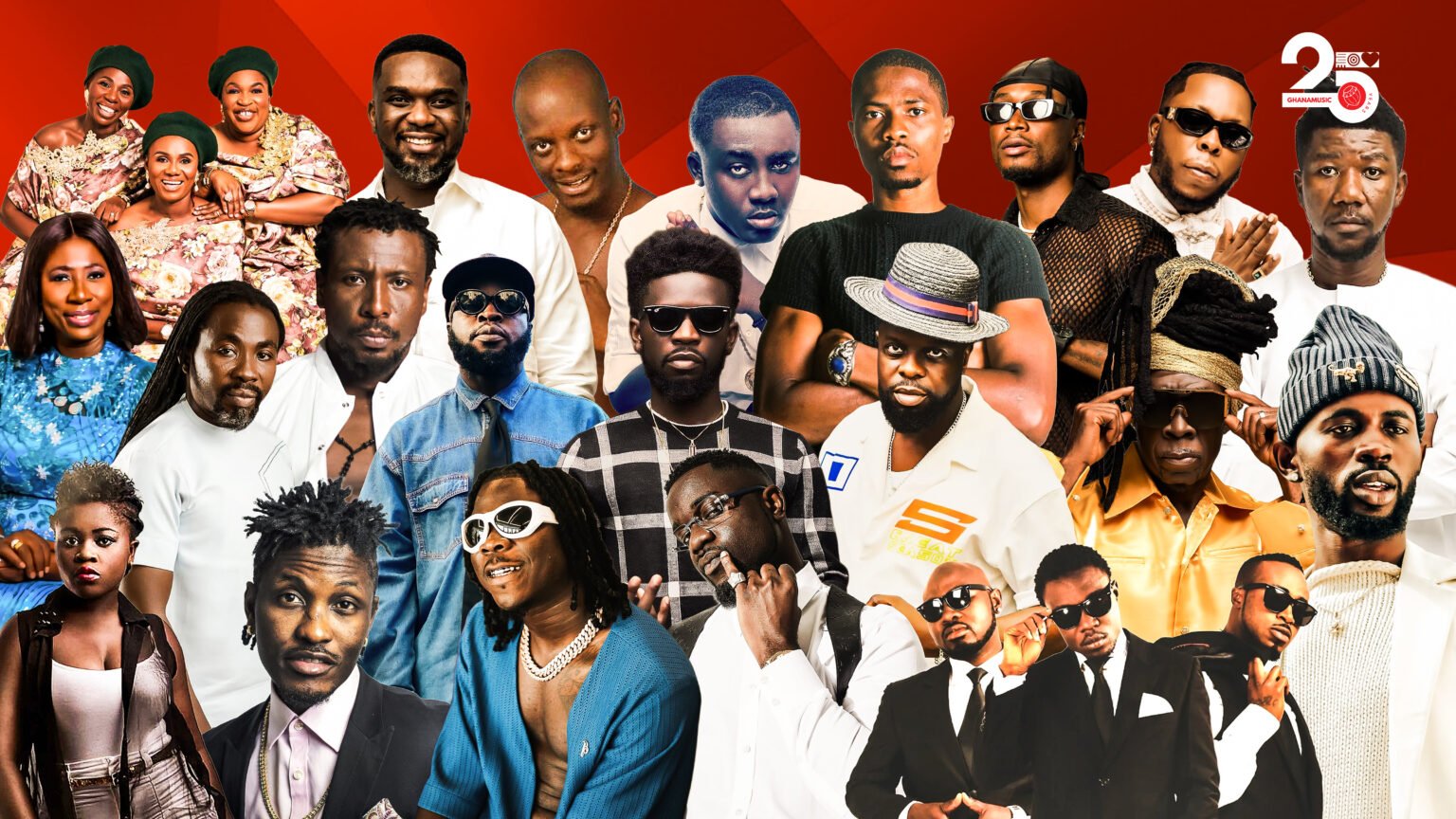
For a quarter of a century, Ghana Music (ghanamusic.com) has stood as the premier amplifier and digital heartbeat of Ghanaian sound. Marking 25 years of documenting the country’s musical evolution, we look back across an extraordinary quarter-century.
Since the turn of the millennium, Ghana’s sonic landscape has undergone a monumental transformation. Transitioning from physical cassette tapes, compact discs, and local radio supremacy in the early 2000s to the dawn of digital streaming platforms between 2013 and 2015, and ultimately into today’s global array of genres and sound ecosystem.
To celebrate this milestone, Ghana Music presents the 25 Most Impactful and Influential Ghanaian Albums since 2000. This list transcends genre boundaries, selected through three critical pillars including, Era & Cultural Impact, Sonic Innovation and Legacy Status. These projects did not just sell records or generate streams, they defined generations, shifted cultural paradigms, and to a large extent, shaped the sound of Ghanaian music.
The 25 Most Impactful Albums
1. Cindy Thompson – Cindy’s Messiah (2000): Traditional Gospel
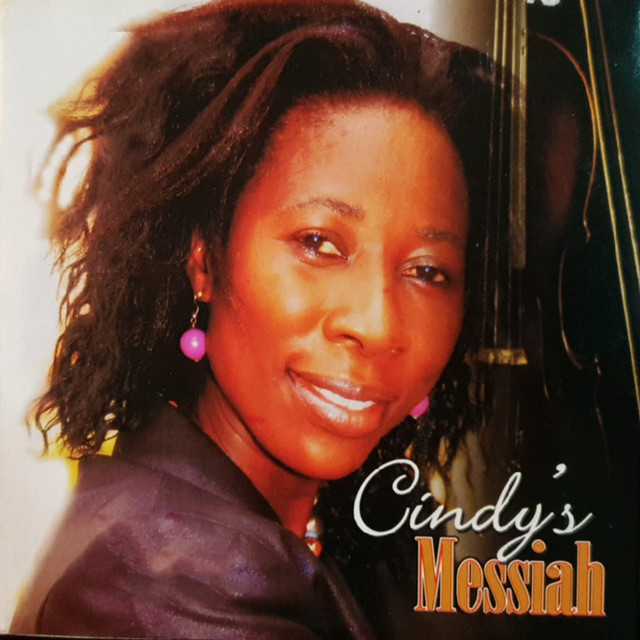
Opening the new millennium, Cindy’s Messiah became a cultural phenomenon that extended far beyond the walls of the church. Driven by the evergreen hit “Awurade Kasa,” and other notable tracks like “Awanwan Do”, “Nyame Eguamba”, and “Medofu Yesu”, the album soundtracked national political campaigns, family gatherings, and morning radio across Ghana- the song dominated music charts for months. Cindy Thompson’s soulful, traditional Twi vocals and rich arrangement set a benchmark for gospel music, proving that spiritual records could dominate mainstream commercial sales.
2. Obrafour – Asem Sebe (2001): Hiplife / Hip-hop
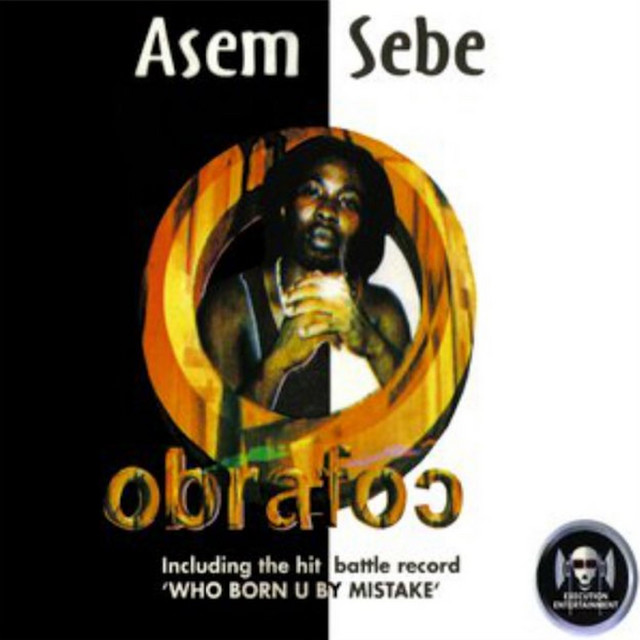
Following his groundbreaking 1999 debut “Pae Mu Ka”, Obrafour solidified his status as the “Rap Sofo” (Rap Preacher) with Asem Sebe. Produced alongside the legendary Hammer of The Last Two, the album elevated Hiplife lyricism to literature. Through rich Twi proverbs, social commentary, and immaculate storytelling and linguistic prowess, Obrafour proved that rap in local dialect could possess deep poetic integrity and lasting cultural authority.
3. Lord Kenya – Yeesom Sika (2001): Hiplife

High energy, street grit, and raw charismatic delivery defined Lord Kenya’s Yeesom Sika. At a time when Hiplife was asserting its dominance on radio and live performances, Lord Kenya delivered a string of hits off the album with songs like “Medo’’, “Endwom No’’ and “Mr. POP”. Yeesom Sika captured the pulse of Ghanaian youth culture while establishing Lord Kenya as one of the most commercially formidable stage performers and rappers of the early 2000s.
4. Okomfour Kwaade – Abro Ne Beyie (2001): Hiplife
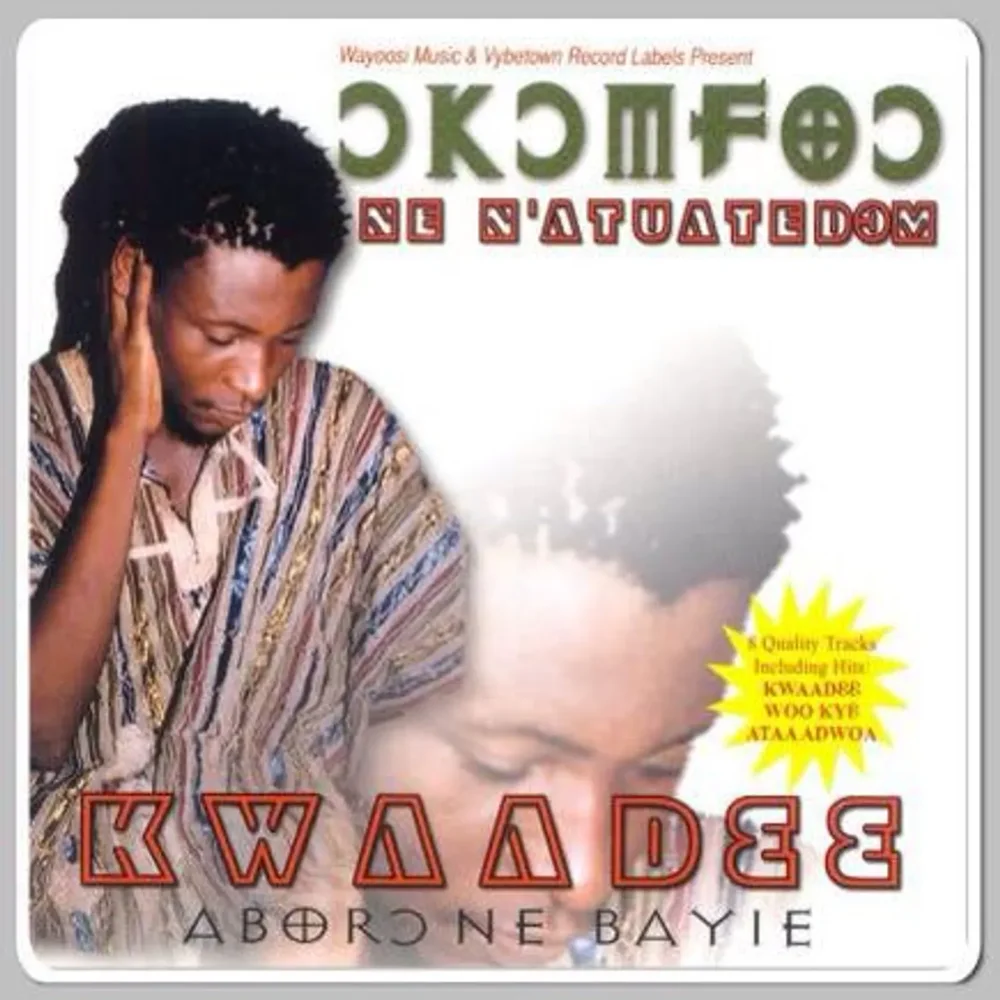
Okomfour Kwaade brought an unprecedented style of folk storytelling to Ghanaian rap music. Kwaade stood out for its unhurried, narrative-driven flow, weaving traditional Akan folklore, morals, and humour into modern Hiplife beats typified by the lead track “Abro Ne Bayie’’. Okomfour Kwaade’s distinct theatrical persona and complex character studies redefined how rap lyrics could mirror indigenous village storytelling.
5. Kontihene – Nyankonton (2002): Hiplife

Nyankonton was an immediate commercial monster. Led by the inescapable anthem “Aketesia,” Kontihene introduced a melodic, chorus-heavy style of Hiplife that fused unfiltered raw rap energy and Highlife melody. The album earned him the coveted Artiste of the Year at the Ghana Music Awards, proving that infectious hooks combined with witty rap couplets were the blueprint for mainstream success.
6. Kojo Antwi – Densu (2002): Highlife
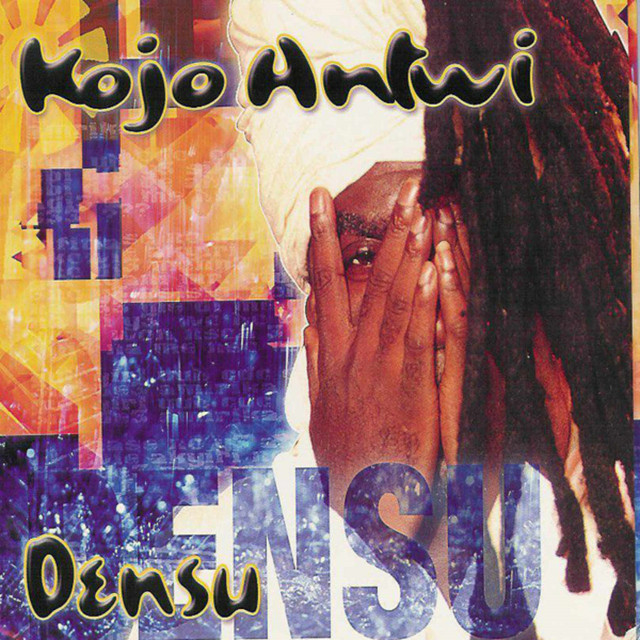
Kojo Antwi, aka “Mr. Music Man,” delivered a masterclass in modern Highlife production with his album Densu. Featuring classics like “Amirika” and the title track “Densu,” the album showcased Antwi’s ability to fuse traditional Highlife rhythms with reggae, pop, and R&B textures. Densu remains a gold standard for Ghanaian romantic songwriting and sonic arrangement.
7. VIP – AHOMKA WO MU (2003): Hiplife
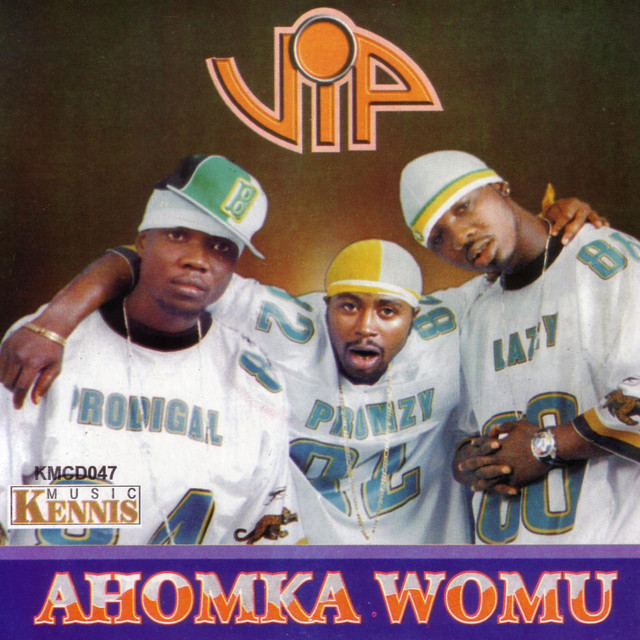
If there was an album that defined the essence of hiplife, it was Ahomaka Wo Mu by the legendary group VIP. The album perfectly fused elements of highlife with hip hop into a sonic delight that broke musical borders. Songs like “Ahomka Wo Mu”, “Sere Kakra”, and “Besin” continue to draw hordes of people (mostly Gen Zs) to the dance floor. Through sampling and interpolation of the title track by new generation acts, the album continues to live on.
8. Daughters of Glorious Jesus – Aseda (2003): Gospel
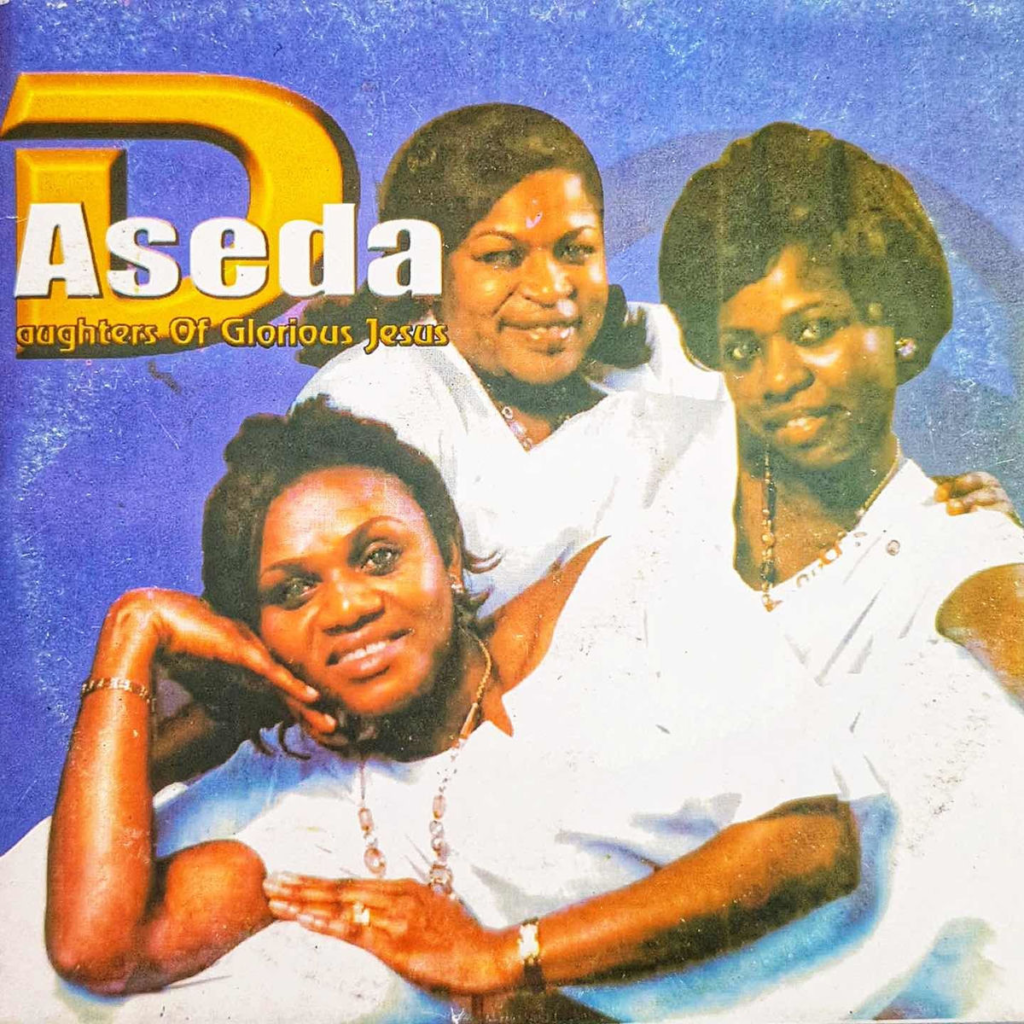
“Aseda” by the legendary gospel trio, Daughters of Glorious Jesus, steered away from the usual delivery by the group and ushered in a new paradigm in gospel music. This album was huge and impactful thanks to its gospel pop aesthetics exemplified by ‘’Bebre’’ and traditional Ghanaian gospel elements on ‘’Yesu Mo’’, Ahintabea’’ appealed to both the spiritual sensibilities of the young Christian community and the older generations.
9. Da’ Hammer – Sounds Of Our Time (2004): Hiplife / Hip-hop
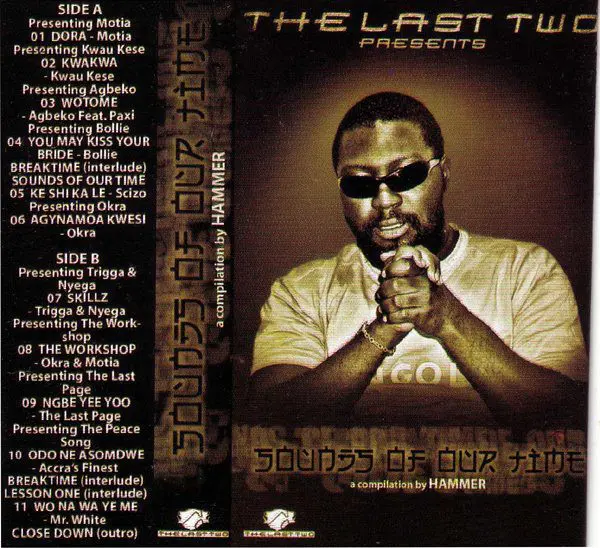
Producer Edward “Hammer” Poku built an empire with Sounds Of Our Time. Rather than a traditional solo album, this compilation introduced and platformed the premier rap talents of a generation, including Sarkodie, Kwaw Kese, Agbeko, and YG. Hammer’s cinematic, heavy-bass production sound defined the golden era of Ghanaian hip-hop and served as the incubator for Ghana’s future megastars.
10. Ofori Amponsah – Otoolege (2005): Highlife
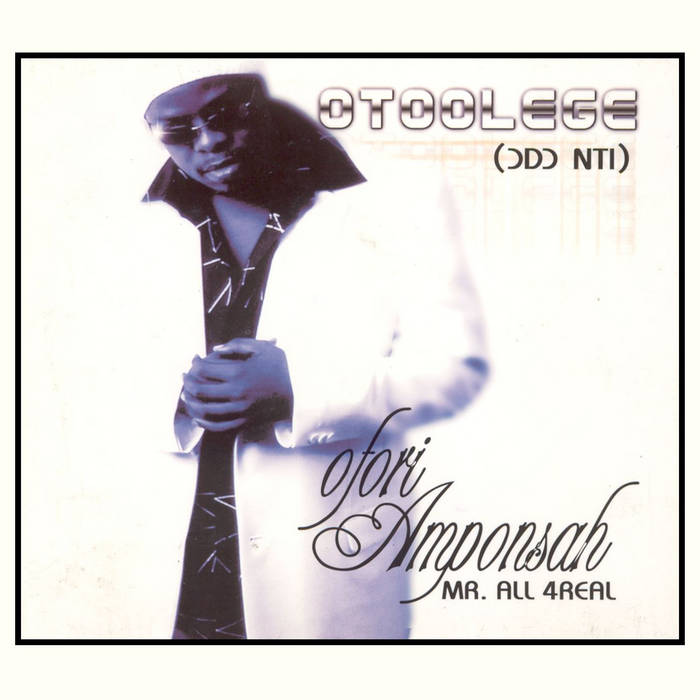
In 2005, Ofori Amponsah completely swept the nation with Otoolege. Re-energizing Highlife for a new decade, “Mr. All 4 Real” introduced a smooth, acoustic-leaning, electro-Highlife sound that dominated party venues, weddings, and airwaves. The album swept multiple awards at the Ghana Music Awards and cemented Amponsah as the undisputed king of contemporary Highlife during the mid-2000s, inspiring a cohort of new artistes who kept the flames of the genre alive.
11. Tinny – Makola Kwakwe (2007): Hiplife (Ga Rap)

Tinny made Ga rap loved as expressed on his debut album Makola Kwakwe. Delivering hyper-kinetic flows in his native Ga language over infectious beats, Tinny brought the raw energy of Accra’s coastal suburbs into mainstream urban music. The album broke language barriers across Ghana.
12. Edem – The Volta Regime (2009): Hip-hop / Hiplife

Executive produced by Hammer of The Last Two, The Volta Regime by Edem (then Ayigbe Edem) was a landmark cultural moment. It shattered the misconception that mainstream Ghanaian rap had to be delivered in Twi or Ga. Songs like “U Dey Craze” and “Nyornuviade’’ successfully gave the Ewe language an identity within the Ghanaian hip hop ecosystem, an aesthetic that broadened the geographical footprint of Ghanaian hip-hop.
13. Coz Ov Moni – FOKN Bois (2010): Satirical Hip-hop / Avant-Garde
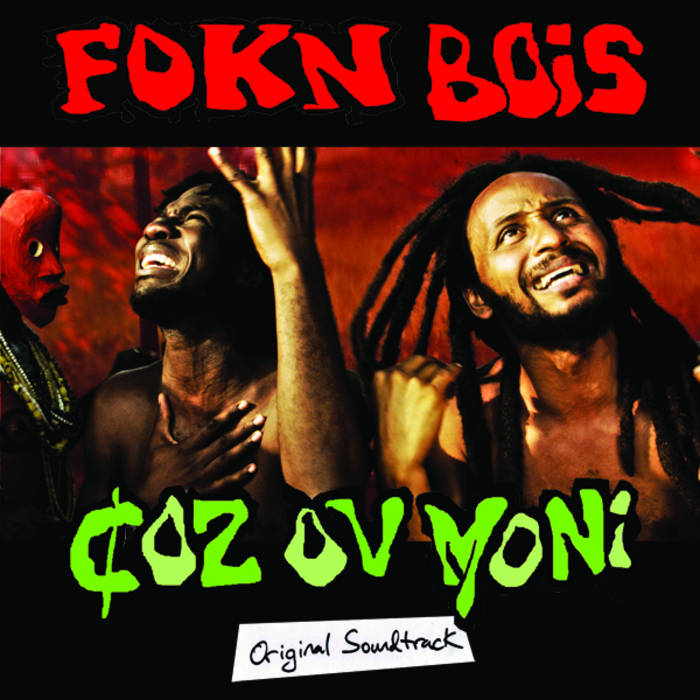
Novel, groundbreaking, and wildly unapologetic, FOKN Bois (M3NSA and Wanlov the Kubolor) disrupted Ghana and West African pop culture with Coz Ov Moni. Billed as the world’s first Pidgin musical film and album, the duo wrote, performed, and starred in a feature-length musical movie built around the tracklist. It challenged social taboos, mocked societal norms, and established a cult classic status that influenced global perceptions of African indie creativity.
14. Tic Tac – M’asem (2012): Hiplife / Afro
Tic Tac (now TiC) was one of the earliest Ghanaian artists to master cross-border West African collaborations. M’asem showcased his evolution from a pioneer of late-90s Hiplife to a modernized Afro-pop hitmaker. With club anthems and international features, the album illustrated how Ghanaian rhythms could seamlessly cross over into neighbouring markets like Nigeria.
15. Sarkodie – Mary (2015): Hip-Hop

At the peak of his career as Africa’s rap champion, Sarkodie took a bold artistic gamble by releasing Mary, a live-recorded album dedicated to his late grandmother. Arranged by songwriter Akwaboah, the project traded electronic trap beats for live brass, guitars, and traditional percussion. Mary, arguably his best album, demonstrated both Sarkodie’s artistic depth and paid homage to his Highlife heritage- a bold step in bridging the gap between hip-hop fans and older Highlife purists.
16. Shatta Wale – After the Storm (2016): Dancehall / Reggae / Afro

After the Storm was a statement of independence and unmatched street dominance. Boasting 22 tracks, including mega-hits like “Kakai” and “Chop Kiss,” Shatta Wale proved that an artist could build a commercial empire through direct connection with grassroots fans. The album launch filled the Black Star Square to capacity, proving Shatta Wale’s role as the mouthpiece of Ghana’s urban youth and re-establishing Dancehall as a dominant force in Ghanaian pop music.
17. Kaakie – KaaKitUp (2016): Dancehall / Reggae

As the queen of Ghanaian Dancehall during the 2010s, Kaakie shattered gender ceilings in a male-dominated genre with her debut project “KaaKitUp”. Supported by Xtra Large Music production, Kaakie delivered bold, dancefloor-ready anthems like “Too Much” and “Ene3 Ni.” The project paved the way for future female dancehall and Afrobeats artists across the region.
18. M.anifest – Nowhere Cool (2016): Hip-hop / Alternative/Afro

A masterclass in concept album design, M.anifest’s Nowhere Cool elevated Ghanaian hip-hop into fine art. Combining elegantly stringed English and Pidgin lyricism with traditional horn sections, polyrhythmic percussion, and literary themes, the album explored the realities of the African youth, ambition and migration. It remains a reference point for sonic composition and artistic independence, and masterful delivery with African rap.
19. Bisa K’dei – Break Through (2016): Contemporary Highlife
During an era when Afrobeats and rap threatened to overshadow traditional genres, Bisa Kdei single-handedly sparked a massive Highlife revival with Break Through. Powered by global anthems like “Mansa” and “Brother Brother,” the album brought classic 80s Highlife guitar riffs back to the dance floors across the globe, proving the timeless commercial appeal of Ghana’s indigenous sound.
20. E.L – Something Else (2017): Hip-hop / Rap
Producer-rapper E.L stood at the centre of the azonto and rap crossover movement. With projects like Something Else and his B.A.R. (Best African Rapper) series, E.L provided the sonic blueprint for Accra’s urban sound. His ability to produce heavy hip-hop bangers alongside mainstream radio hits earned him the “Artiste of the Year” award and influenced a generation of self-producing artists.
21. Stonebwoy – Epistles of Mama (2017): Reggae/Dancehall/Afro-Dancehall

Stonebwoy’s double-disc magnum opus Epistles of Mama remains his most culturally profound and commercially massive project. Dedicated to his late mother, the 24-track album achieved major international acclaim, ranking among global Billboard Reggae charts and featuring international heavyweights like Sean Paul, Agent Sasco, and Chronixx alongside African stars. EOM cemented Stonebwoy as a global ambassador of African Reggae/Dancehall.
22. Joe Mettle – God of Miracles (2017): Contemporary Gospel
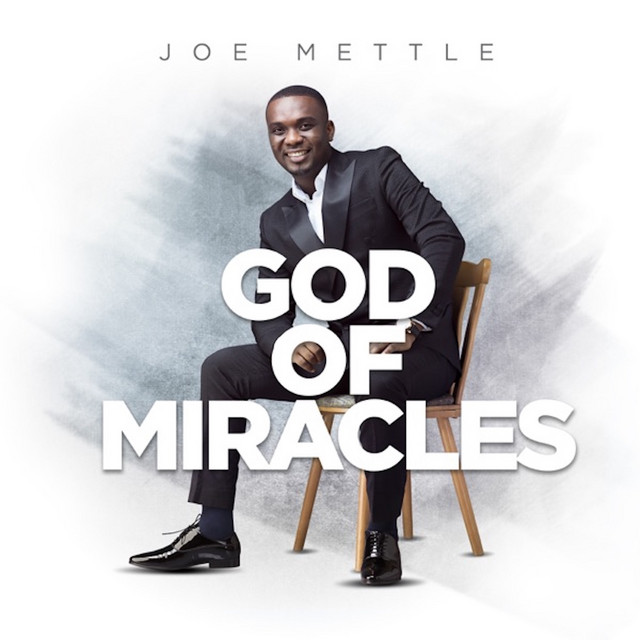
God of Miracles marked a historic turning point in Ghanaian music history. Driven by the worship anthem “Onwanwani,” Joe Mettle became the first gospel artist in history to win the overall Artiste of the Year at the Vodafone Ghana Music Awards. The album bridged generational gaps, modernizing live gospel recording while retaining deep spiritual resonance.
23. Kwesi Arthur – Live From Nkrumah Krom – (2017): Rap / Hip-hop
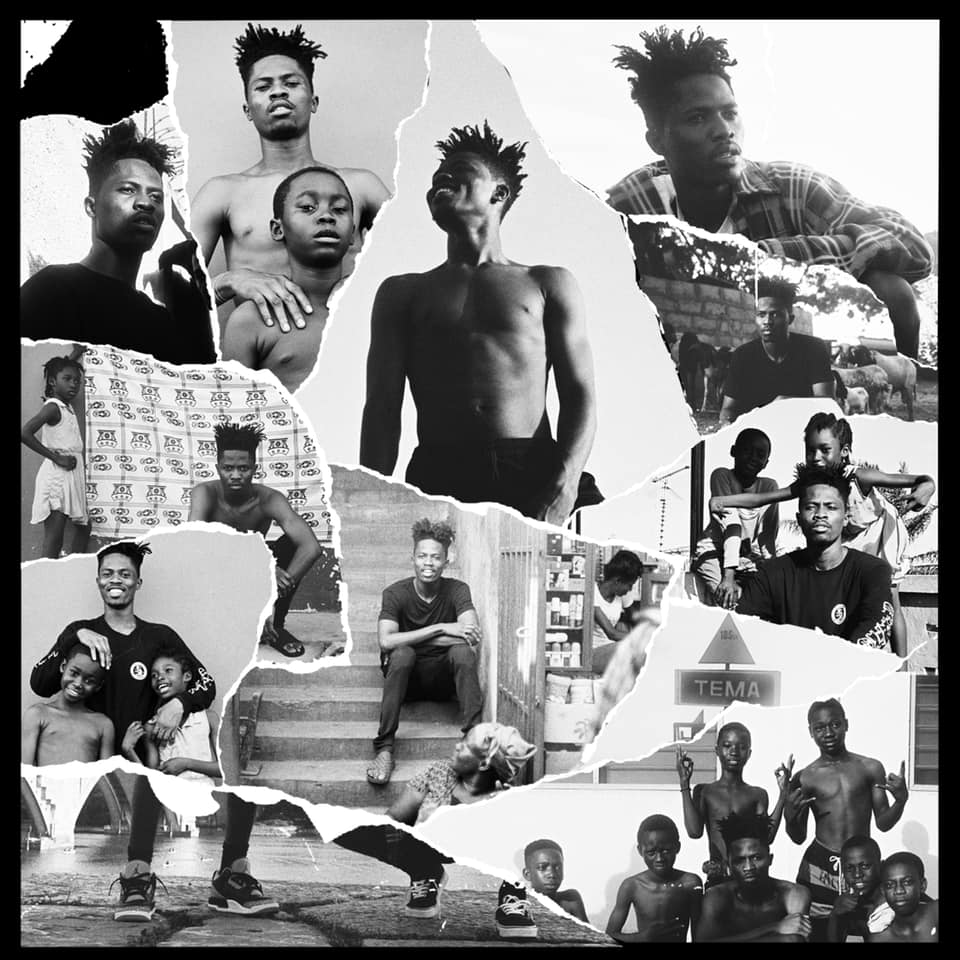
Live From Nkrumah Krom (LFNK) ushered in the modern Ghanaian SoundCloud and streaming revolution. Armed with a streetwear aesthetic, raw vulnerability, and infectious street anthems like “Grind Day,” Tema-born Kwesi Arthur became the voice of the Gen-Z struggle. The EP earned him a BET Award nomination and proved that local youth culture could break through internationally on its own terms.
24. La Même Gang – La Même Tape: Linksters (2018): Alternative Rap / Trap

“La Même Tape: Linksters” led the resurgence of Ghana’s subcultural “Alté” and youth collective movement. Comprising Darkovibes, Kiddblack, Nxwrth, RJZ, Spacely, and KwakuBS, La Même Gang disrupted conventional radio formats with genre-bending trap, experimental Afrobeats, and high-fashion aesthetics, influencing the fashion, language, and sound of Accra’s creative youth.
25. Black Sherif – The Villain I Never Was (2022): Hip-Hop/Highlife / Drill
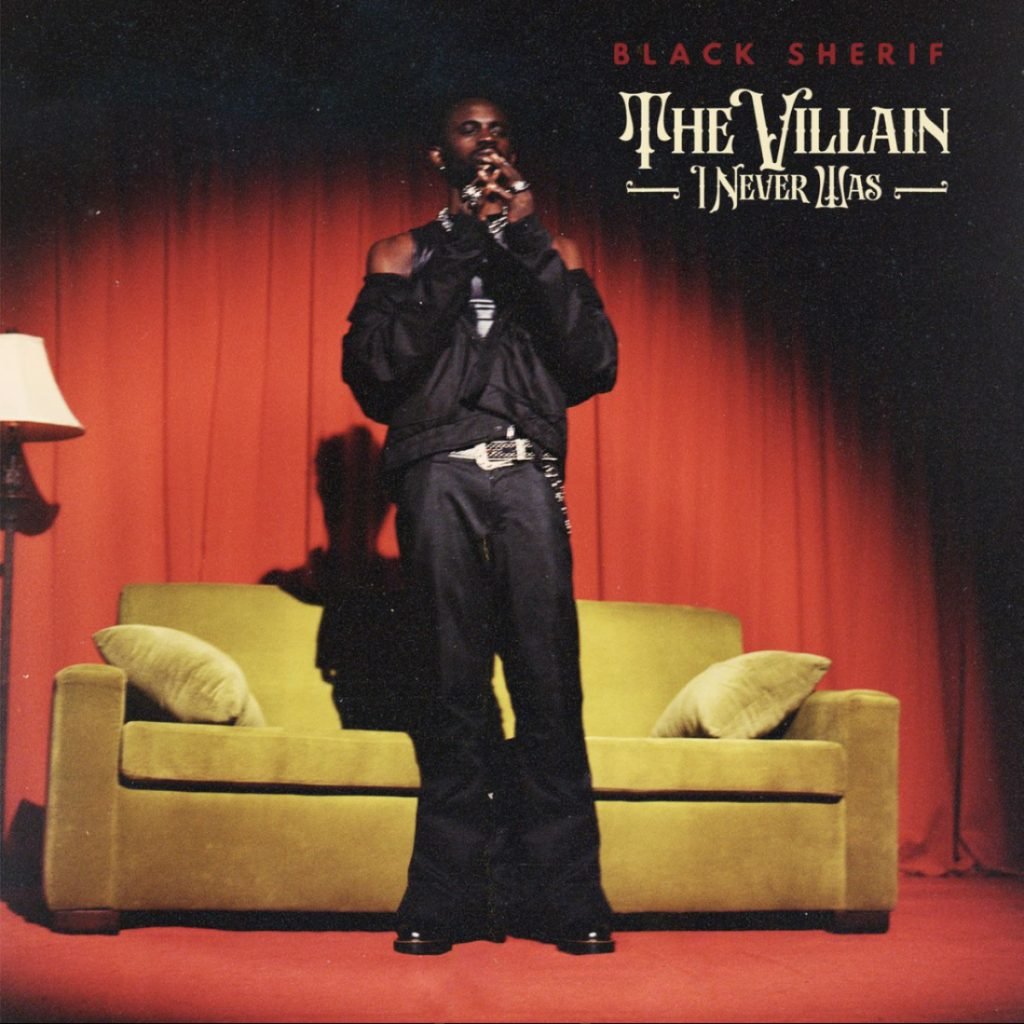
Black Sherif’s “The Villain I Never Was” stands as a defining album of the modern global streaming era. Fusing UK Drill rhythms, raw Highlife vocal sensibilities, and deeply personal lyrics about struggle and perseverance that reflected those of his generation, the album resonated globally from Accra to London and New York. Powered by hits like “Kwaku the Traveller” and “Oil in My Head,” Black Sherif’s debut shattered streaming records for a Ghanaian artist, proving the universal reach of authentic Ghanaian storytelling.
Honourable Mentions:
- Castro – Toffee (2004): A cornerstone of mid-2000s Hiplife/Crowd fusion. Driven by Jay Q’s signature organ-and-percussion production, “Toffee” established the late Castro’s “Under Fire” as one of Ghana’s greatest vocal hitmakers.
- R2Bees – Da Revolution II: Refuse To Be Broke (2012): A monumental sophomore project that anchored the Afrobeats/Azonto era across West Africa. Packed with massive hits like “Slow Down” (feat. Wizkid), “Walaahi,” and “Odo,” the Killbeatz-produced masterpiece defined the sound of Ghana and West African pop radio.
- Fuse ODG – T.I.N.A. (This Is New Africa) (2014): A landmark diaspora-to-continent bridge project that compiled global chart-toppers like “Antenna,” “Azonto,” and “Million Pound Girl.” It spearheaded the international movement to rebrand Africa’s global image through music and dance.
- Ko-Jo Cue – For My Brothers (2019): A watershed moment for conceptual storytelling in Ghanaian hip-hop, lauded for its courageous exploration of mental health, young African masculinity, and societal pressure.
- Amaarae – The Angel You Don’t Know (2020): Despite the album not having a great footing locally, it was overall a trailblazing alternative release that defied genre constraints, establishing Ghana on the global map for experimental pop and viral digital appeal.