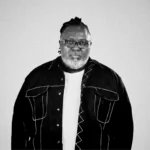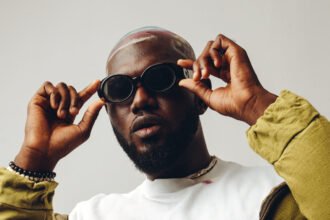
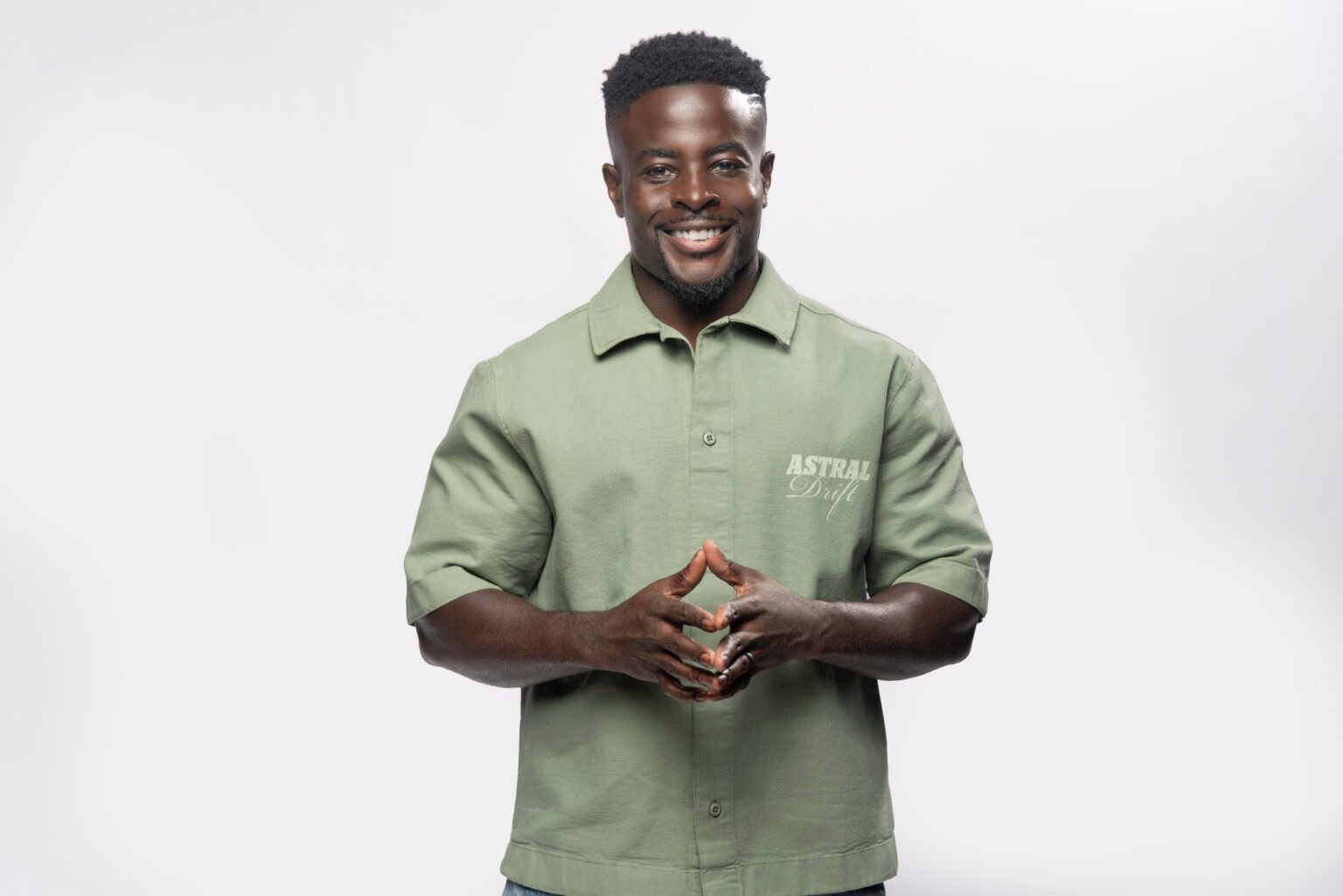
When Apple Music launched its “Africa Now” DJ mix series, I genuinely believe the goal was to hand the controls to visionaries who understand how African sound moves in real-time. For September 2026, that mandate fell into the hands of Ghanaian-American curator and producer Boateng Agyei—known across the diaspora simply as DJ Boat.
But for anyone tracking the digital migration of West African music over the last decade, DJ Boat’s selection isn’t just a routine feature. It feels like an inevitable crowning for a tastemaker who built the digital roads everyone else is now driving on.
Before global DSPs built localized African hubs, DJ Boat was already solving the discovery problem from his college dorm room at Cornell University. Frustrated by the total lack of Afrobeats infrastructure on early Spotify, he started assembling playlists to organize his own listening, accidentally triggering a global domino effect. Today, those early curation efforts have expanded into a multi-platform powerhouse with over 1.5 million combined playlist saves and a YouTube ecosystem approaching 2 million subscribers with nearly 250 million views.
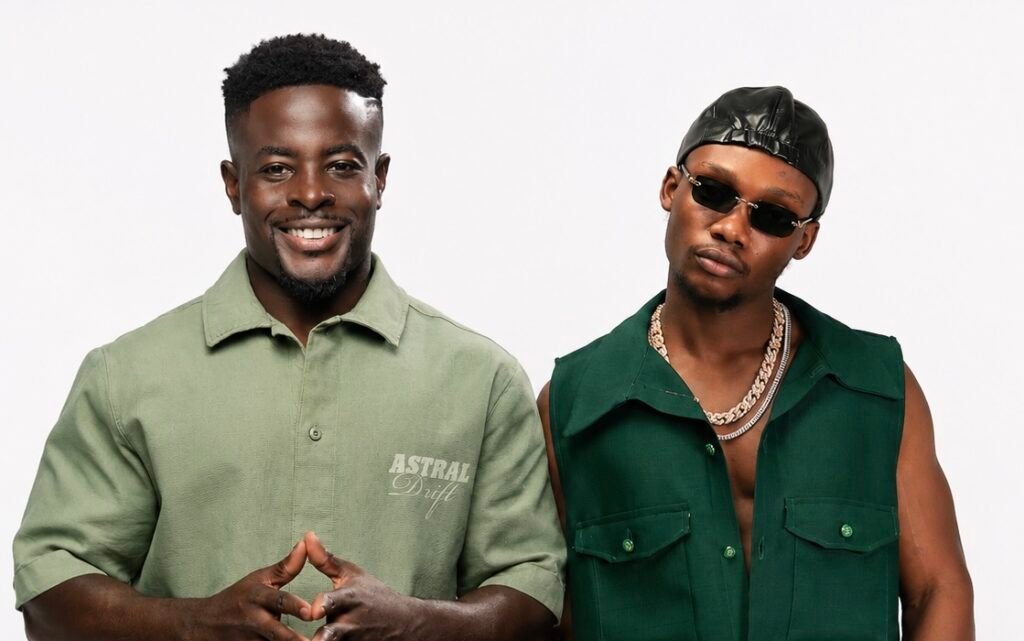
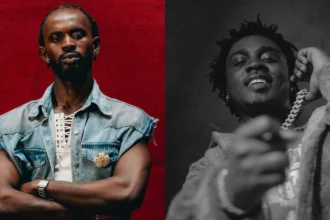
DJ Boat’s footprint, however, goes far beyond the digital realm. As a producer and collaborator, he has bridged continental talent with global audiences, crafting collaborative projects like “Dapper Diaries” alongside Ghetto Boy, as well as high-profile records with Victony and Olivetheboy.
In an exclusive interview with Ghana Music, DJ Boat, continues to champion his core motto, “We Global Oh!”, breaks down the architecture behind his 69-track Apple Music timestamp. He also talks strategy for spotlighting emerging West African artists alongside global stars, and his vision for the next decade of African music infrastructure.
GM: The Apple Music “Africa Now” feature is a major co-sign, but it also reflects a decade of work you’ve put into digital infrastructure. Looking back to your early days at Cornell, did you anticipate that an effort to organize your own listening would evolve into an ecosystem with millions of combined playlist saves?
DJ Boat: The simple answer is no, when I started curating music and djing small college parties, I did not have a vision of it turning into what it is now. It was purely out of passion and the love for my culture, especially living in a foreign land. What was clear to me back then was with the changing music landscape at the time, especially with the rise of youtube and other social media platforms, I saw a future where people of African Descent across the globe would gather around our shared culture, specifically our music. That’s where the tag line (We Global Oh) comes from. It’s a call out to our people all across the globe in unity around our music. That future was very clear to me and has been the motivation over the years, how it all evolved, I could never have imagined.
GM: Your “Africa Now” September mix spans 69 tracks across almost two hours. How did you structure such a massive tracklist to showcase a cohesive story about where African music sits globally in 2026?
DJ Boat: My goal for this mix was to basically do a timestamp of African Music in September of 2026. If someone 10 or 20 years from now was to pick up my mix, they should get a sense for what was dominating african music at the moment from my perspective. The structure of the mix mirrors what you would hear from me at any of my live events. I like to start my sets with something soulful, something with horns or strings or something that really gets your attention without screaming at you. I wanted the first few tracks to have at least one Ghanaian song as a homage to my Country and then one record that is really hot right now, but underpinning all of that is they had to mix well and feel right, once I got that part figured out, it was basically building upon what I started. You would realize all the songs in the mix are 110 BPM or higher, meaning they are higher tempo than your usual afrobeats songs. That was intentional, I wanted the mix to have a party vibe throughout while at the same time capturing the original intent of it being a September 2026 timestamp. I wanted the mix to have afrobeats, Amapiano, 3 Step and Afrohouse as they are the dominant African Music Genres at the moment.
GM: You moved from Eastern Ghana to the South Bronx for high school, sharing physical mixtapes with classmates long before digital curation was a career path. How did navigating that transition shape your ability to predict what sounds will cross borders?
DJ Boat: When I was in Ghana, I listened mostly to Ghanaian music with some splash of other African Music and American music. When I moved to the U.S., in high school, I was mostly listening to American Music, then when I went to college, I started listening to both. As African Music evolved, I developed an ear for what I thought of Africans in the diaspora with a similar life path as mine would like. Once African music became very popular on this side of the world, I started curating with an audience that represented the growing fan base of African Music. A lot of my curation focuses on tracks that are hot back home but will also be easily consumed by someone on this side of the world who might not necessarily listen to our music all the time, but can fall in love with it when exposed to it.
GM: With nearly 2 million YouTube subscribers and close to a quarter billion combined video views, your visual platform is massive. What are mainstream streaming platforms still missing about how global audiences consume African DJ mixes visually?
DJ Boat: I believe there is a great opportunity for streaming platforms to capitalize on Visual DJ Mixes. If you take the top 10 streaming Visual African DJs and combine their streams, it will tell a great story of the massive amount of African Music Listeners that consume music via video mixes. I believe the opportunity exists but maybe the technology and the ability to make sure that artists get compensated appropriately have not caught up yet. Streaming platforms will unlock a whole new audience once they figure out how to allow video mixes on their platforms.
GM: You’ve shifted from pure curation to direct record production with projects like “Dapper Diaries” alongside Ghetto Boy and singles with Victony. How does your creative process change when you’re building a track from scratch versus selecting existing ones for a mix?
DJ Boat: Building a track from scratch is a world of difference from making a mix. Making a mix is an individual effort, making a record involves a lot of moving parts with the artist being the centerpiece. So that’s where it starts, understanding what the artist wants to create and working with them to bring that vision to life.
GM: In your mix, you blend massive international hits with records like your own collaboration “Lonely World” with Olivetheboy. What is your framework for balancing global heavyweights with emerging West African talent?
DJ Boat: I’m a huge advocate for emerging artists because I strongly believe that our longevity as a continent in the music space strongly depends on how well we’re able to celebrate top artists while at the same time shining a light on emerging ones. I’m always looking for new artists with a crossover appeal to highlight and shine a light on. In my mixes, I like to highlight what the people like, then introduce them to new sounds they may not be familiar with but I do it in a way that everything blends in well and feels right to the listeners. I don’t force it if the combination doesn’t make sense, I won’t add a song or artist just to highlight them, I will however introduce their song in a mix in the right place if I believe the listener will enjoy the combination. Ultimately, everything I do is with the listener in mind, that’s the most important piece of this puzzle. It’s a delicate balance in trying to achieve multiple goals but trusting my ability to deliver what the listener loves.
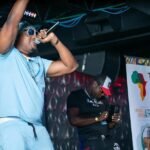
GM: Playing live to crowds of nearly 30,000 at festivals like Lightning in a Bottle requires a different energy than a studio mix. How do you tailor a set for non-diasporic festival-goers without diluting the authenticity of the sound?
DJ Boat: For me, it’s going in with a vision but also understanding your audience very well. For a festival setting, I go in with a vision for what I want the experience to be for the audience from start to finish. I also leave some room to read the crowd and bring in different elements based on what I’m experiencing while in front of the crowd. For a crowd that’s not my typical African Music Listeners, I lean heavier on creating an experience that showcases our sound while at the same time fitting in with the mood of the festival and the crowd. I’m usually there because I bring a different experience so my goal is to always honor that and also allow our culture to shine on a bigger stage.
GM: While your early mix catalog leaned heavily into hip-hop, your recent work highlights Afrobeats and Amapiano. What have you observed about the cross-pollination between West and South African sounds on global dancefloors?
DJ Boat: The two are very much intermingled. For this iteration of African Music on the global stage, most listeners were introduced to African Music through West African Afrobeats, then eventually Amapiano. Now, the two coexist side by side. When it comes to the dance floor, they both get the crowd going.
GM: Your rallying slogan is “We Global Oh!”, a phrase that frames African music as an established global standard rather than a fleeting trend. What does sustainable, long-term infrastructure for African creators look like over the next decade?
DJ Boat: I believe the first step is leading with our talents, creativity and God-given gifts. That’s what got us here in the first place. We have to elevate what we do to the next level, so that the world will continue to look to us for the best music and entertainment in the world. The second is building an infrastructure back home that allows top talents to be elevated to the top. If we live in a world where only a select few gets to be heard, the best of us will not be heard, and for our sound to dominate across the globe, we need the best talent surfacing to the top. Over the next decade, we need our top artists to be leading in the charts every year, getting grammy nominations every year, selling out stadiums every year and building on the success every year so it doesn’t feel like there’s a dip in what we have to offer to the world.
GM: Looking ahead past this “Africa Now” milestone, what new frontiers, whether in live performance, executive curation, or production, are you eager to tackle next?
DJ Boat: I’m eager to get on bigger stages where African Music is not the norm, to get the opportunity to reach more ears and bring in more audiences to the African Music Space. I’m eager to have a hit record that transcends time and becomes a generational anthem for the globe. Then, I can truly say, We Global Oh!!